news release - July 2, 2025
A hotter, riskier Europe: rising mosquito-borne disease threats
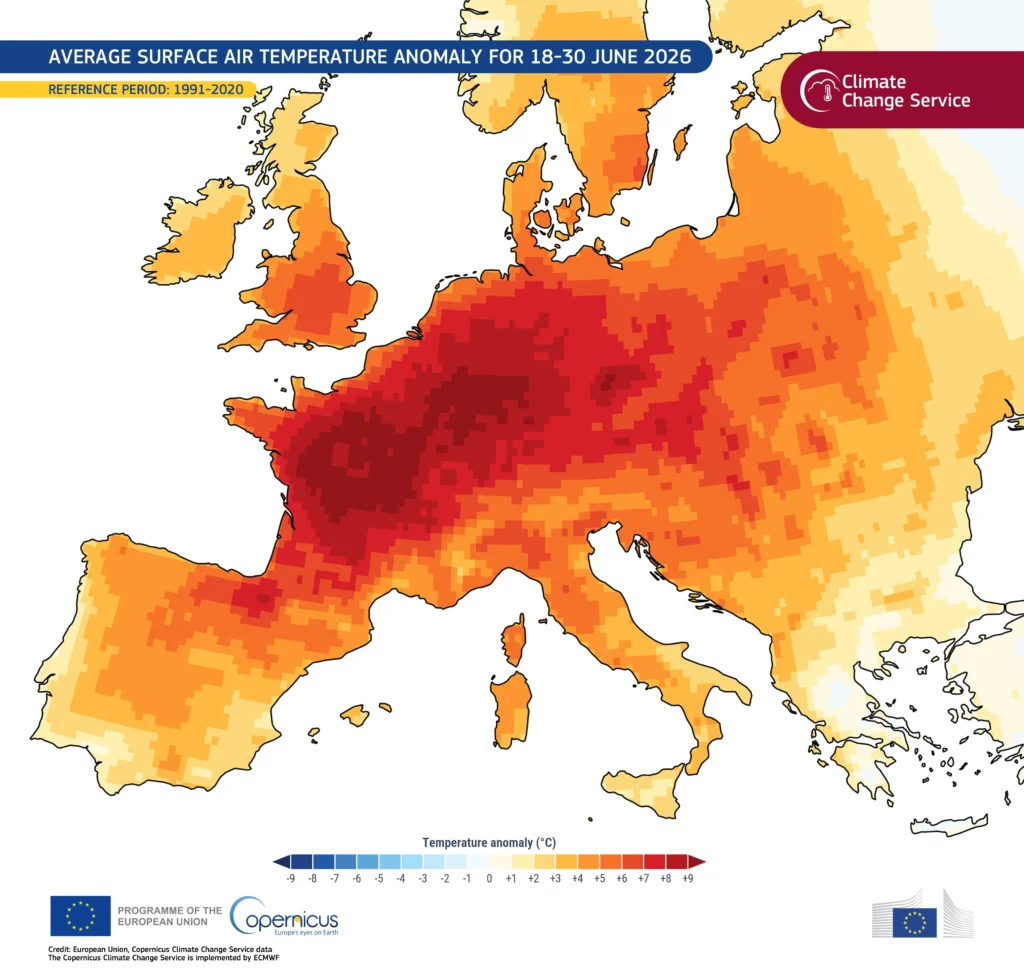
As Europe experiences warmer summers and increased global travel, the continent faces a growing public health challenge: the spread of mosquito-borne diseases. Rising temperatures are creating ideal conditions for mosquitoes to thrive, amplifying the risk of diseases caused by flaviviruses, such as dengue, Zika and West Nile virus.

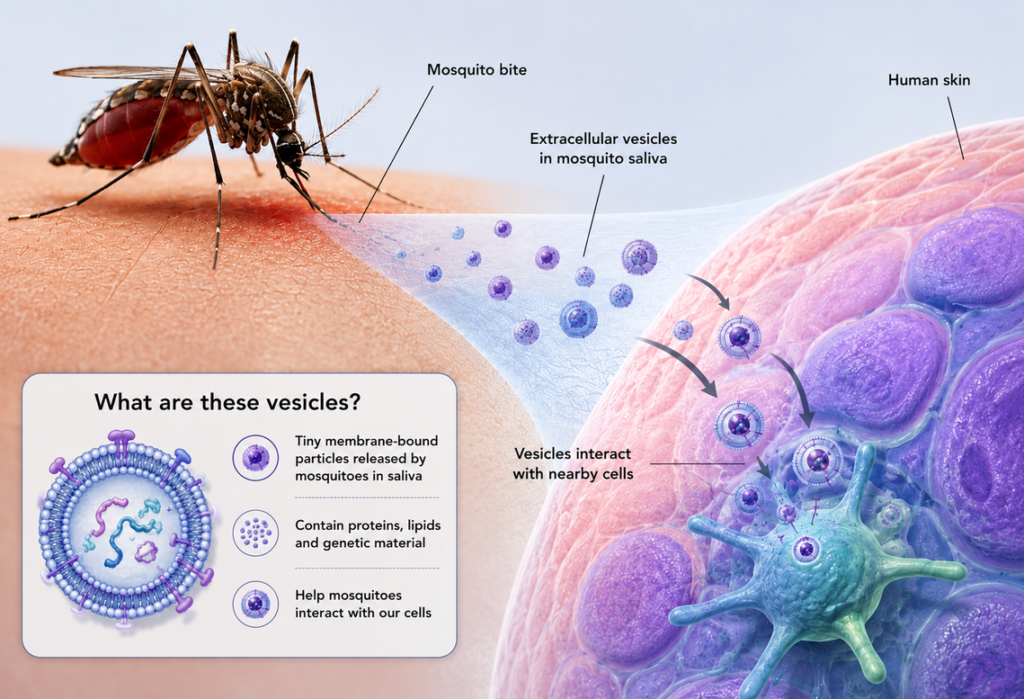
The Aedes albopictus (Asian tiger) mosquito, a key vector for dengue and Zika, is now present in 13 EU countries. Meanwhile, Aedes aegypti, another mosquito capable of transmitting these viruses, has taken hold in Cyprus, around the Black Sea, and in Madeira. These mosquitoes flourish in warm, humid environments, and climate change is expanding their range into previously cooler regions.
Dengue: from tropical threat to European reality
The optimal temperature for dengue transmission by Aedes albopictus in temperate zones is 24–26°C, a range increasingly common across Europe during summer months. High temperatures accelerate mosquito life cycles, enabling Ae. albopictus to complete its development in just over a week when average temperatures hit 25°C. This leads to peak mosquito populations and heightened disease transmission risks during the hottest months.
Research published in The Lancet Planetary Health highlights that warmer summer temperatures are the strongest predictor of dengue outbreak risk. Once considered a tropical disease, dengue is now an emerging health concern in Europe. Researchers from Umea University in Sweden and the University of Heidelberg in Germany analysed 35 years of data on dengue and chikungunya spread in Europe. In 2024, the hottest year in the study period, the EU reported a record-breaking 304 autochthonous (acquired within the EU) dengue cases—surpassing the total of 275 cases recorded over the previous 15 years combined. The trend has also started to appear in 2025: France has already reported suspected autochthonous cases in the Loire department.
Other environmental factors, such as longer daylight hours, water availability, and vegetation, further create microenvironments ideal for mosquito proliferation. As these conditions become more prevalent, the risk of local transmission of diseases like dengue and Zika in Europe continues to rise.
Other flaviviruses, like West Nile virus and tick-borne encephalitis virus, are already endemic in Europe. As of 6 August 2025, six European countries have recorded 202 locally transmitted cases of West Nile virus (WNV) infection with a known place of exposure. The majority of infections were detected in Italy (168 cases), followed by Greece (26), France (3), Romania (3), Bulgaria (1), and Hungary (1). Across Europe, 10 deaths have been attributed to the virus. Italy is facing the most significant outbreak this season, with 168 confirmed cases and 10 associated deaths.
Consistent with patterns seen in previous years, the majority of cases occurred in men aged 65 and older. Hospitalisation rates are higher than usual, with all cases requiring hospital care this year compared to an average of 93% over the past decade.
Mosquito bite prevention, such as using repellents and eliminating standing water, is critical during summer months when temperatures exceed 24°C.
The FLAVIVACCINE project is at the forefront of addressing this emerging threat by developing a vaccine candidate to combat these dangerous viruses, including dengue, yellow fever, Zika, and West Nile virus.
Image credits: S&B Vonlanthen from Unsplash