We aim to deliver a safe and protective solution against diseases caused by a broad range of mosquito-borne viral infections.
The problem
Innovation
The impact
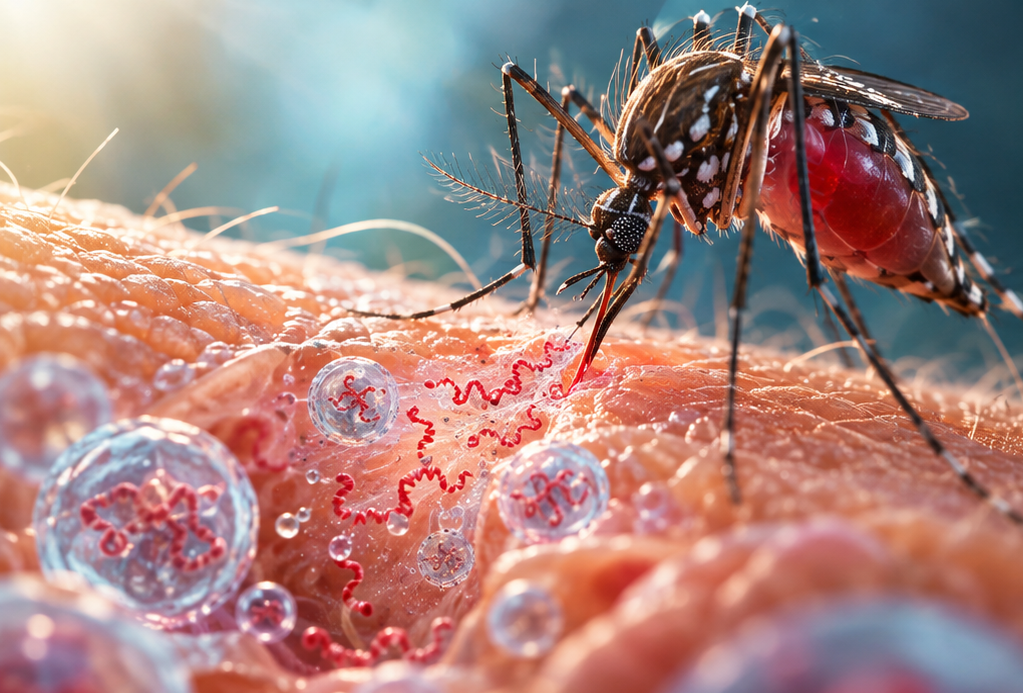
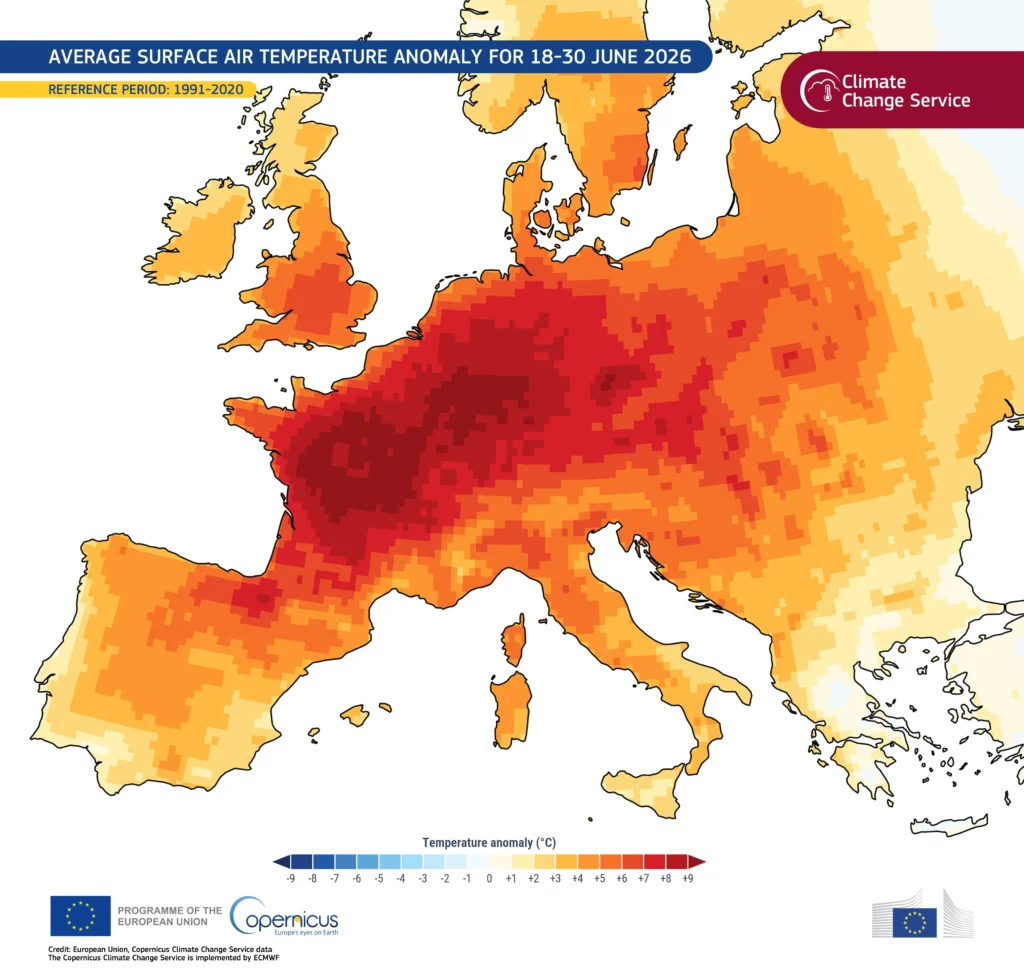
Against the backdrop of climate change and human-led environmental impact, mosquito habitats are expanding and, with that, the risk of mosquito-borne viral infections, which now affect around 500 million people and cause an estimated more than 100,000 deaths annually.
In this context, mosquito-borne threats will intensify with larger and more frequent epidemics, possibly leading to pandemics. Improving epidemic or pandemic preparedness and response to these evolving infectious diseases stands as a top priority both for the EU and WHO.
Flavivirus infections pose significant challenges to public health, particularly in countries already battling HIV/AIDS, malaria, tuberculosis, and other respiratory and enteric infections.
Our project supports global efforts to control preventable diseases, especially in these heavily impacted regions. It aims to enhance healthcare systems and epidemic or pandemic preparedness against mosquito-borne illnesses worldwide.
Flavivaccine has, moreover, the potential to ease the economic and social burden of flaviviruses by providing a single solution for multiple diseases.
The problem
Innovation
The impact
Unlike traditional vaccines that target individual viruses, we offer a single, innovative solution for multiple viral diseases, such as dengue, yellow fever, Zika, and West Nile.
Flavivaccine will develop a novel prototype vaccine directed against several flaviviruses, define its immunogenicity and efficacy and prepare it for a future clinical evaluation.
Our project is committed to Responsible Research and Innovation (RRI) to ensure high ethical standards, openness, gender equity, and stakeholder inclusion.
We use cookies to ensure that we give you the best experience on our website. If you continue to use this site we will assume that you are happy with it.