news release - August 20, 2026
World Mosquito Day: When the heat rises, mosquitoes move
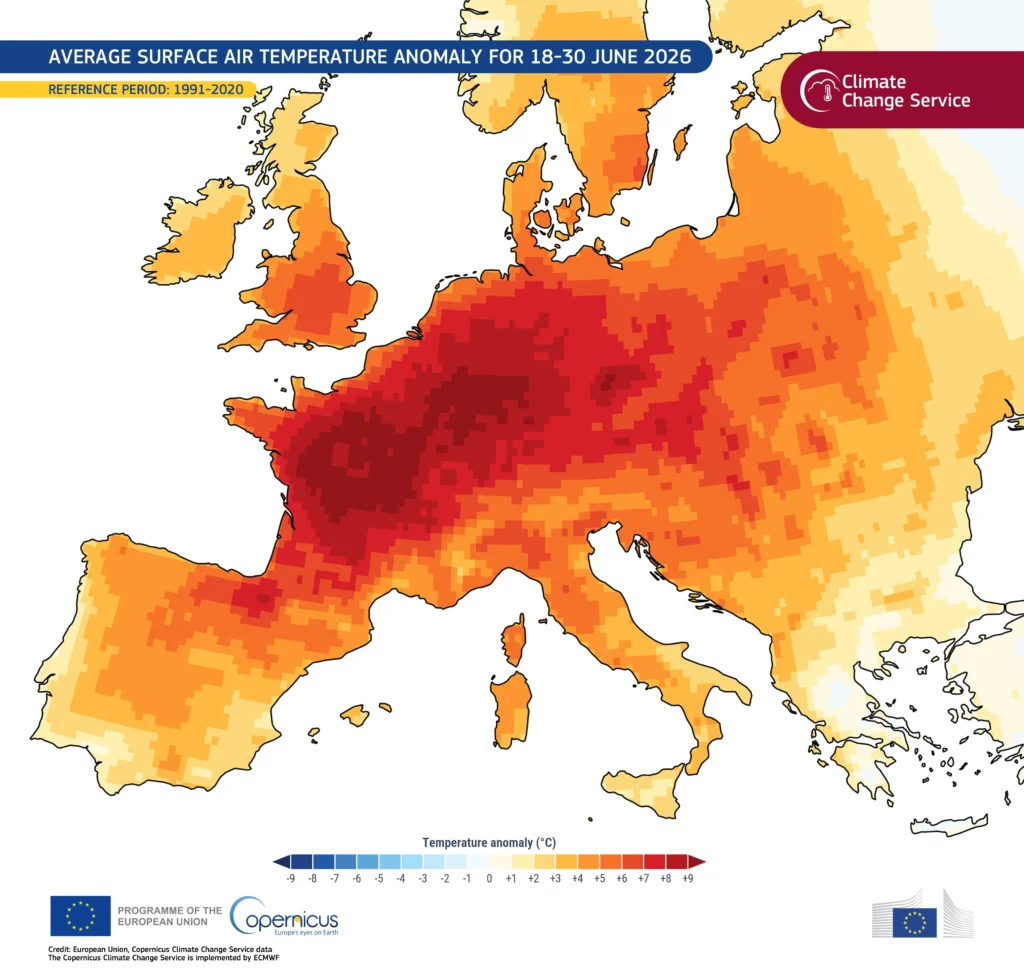
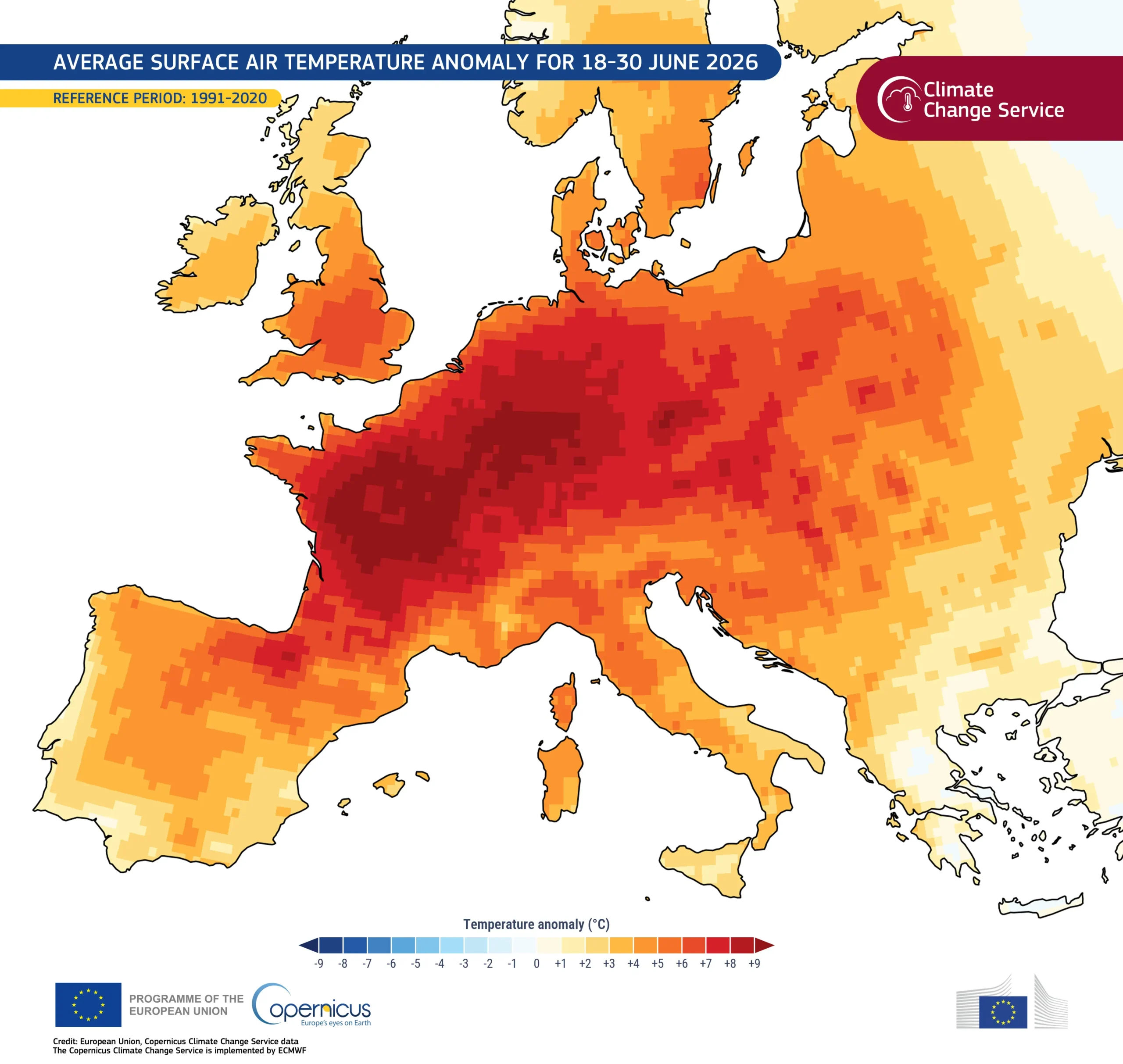
Hotter summers are changing more than our daily routines. As temperatures rise, heatwaves become more frequent and rainfall patterns shift, the conditions in which mosquitoes live, reproduce and spread are changing too.
This World Mosquito Day, FLAVIVACCINE looks at a growing connection between climate, mosquitoes and human health, and at why understanding what happens during a mosquito bite is becoming increasingly important.
A warmer world is changing the mosquito map
Mosquitoes are highly sensitive to their environment. Temperature, rainfall and humidity can influence where different mosquito species survive, how quickly they reproduce, how often they bite and how efficiently some pathogens develop inside them.
As the climate changes, areas that were previously less suitable for some mosquito species can become increasingly favourable. Warmer conditions can also extend the period of the year during which mosquitoes are active.
This does not mean that every heatwave automatically causes an outbreak of mosquito-borne disease. The relationship between climate and disease is more complex. Extreme temperatures can even become unfavourable for some mosquito species. Human mobility, urbanisation, rainfall, access to standing water, mosquito populations, public health surveillance and the presence of a pathogen all contribute to determining whether transmission actually occurs.
But the broader trend is increasingly important for public health.
Mosquito-borne diseases are no longer only a tropical concern
For many people in Europe, diseases such as dengue, chikungunya or West Nile fever can still sound like distant health threats. That picture is changing.
The Asian tiger mosquito (Aedes albopictus), capable of transmitting viruses including dengue, chikungunya and Zika, has expanded its geographical range in Europe. ECDC reported in 2025 that it was established in 16 European countries and 369 regions, compared with 114 regions a decade earlier. Rising temperatures, longer summer seasons, milder winters and changing rainfall patterns are among the climatic and environmental factors contributing to longer and more intense transmission seasons.
At the same time, mosquito-borne viruses can travel with us. An infected traveller returning from an area where a virus is circulating can introduce it into a region where competent mosquitoes are already present. Under suitable environmental conditions, this can create an opportunity for local transmission.
Dengue provides a particularly striking example. WHO reports that about half of the world’s population is at risk and estimates 100-400 million infections each year. WHO also identifies changing vector distribution, increasing temperatures, rainfall and humidity among the factors associated with the growing risk of dengue spread.
Climate change is therefore not simply an environmental challenge. It can also alter the landscape of infectious disease risk.
The mosquito bite is more complex than it looks
A mosquito bite may appear to be a very simple event: a mosquito lands, feeds and flies away. Biologically, much more is happening.
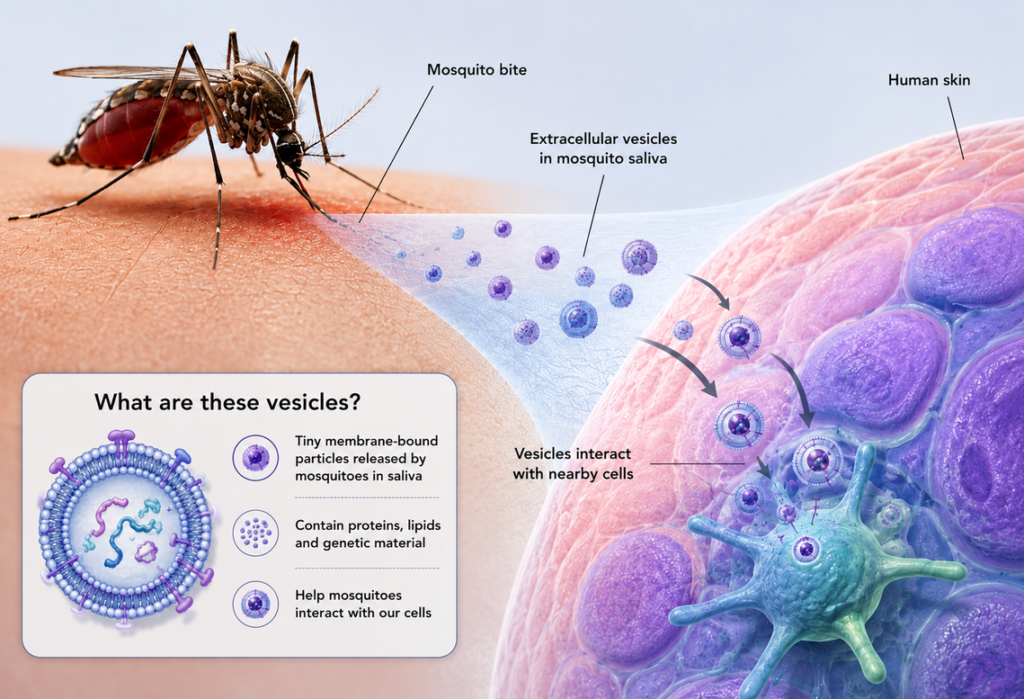
When a mosquito bites, it introduces saliva into the skin. This saliva contains a complex mixture of biological components that interact with cells and with our immune system. These interactions can influence the environment in which a mosquito-borne virus first encounters its host.
Among the components being investigated are extracellular vesicles, or EVs: tiny membrane-bound particles released by cells that can transport biological molecules and participate in communication between cells.
Understanding these early interactions between the mosquito, the virus and the host could reveal new ways of thinking about protection against mosquito-borne infections.
FLAVIVACCINE: targeting something viruses have in common
This is where FLAVIVACCINE takes a different perspective.
Traditional vaccines generally target a specific pathogen. But mosquitoes can transmit several different flaviviruses, including dengue, West Nile, yellow fever and Zika viruses.
FLAVIVACCINE is investigating an innovative concept: could targeting mosquito-derived factors involved in transmission contribute to protection against multiple flaviviruses?
Researchers in the project are studying mosquito extracellular vesicles and their interaction with the immune system, identifying potential antigens and investigating how immune responses against mosquito-derived components could influence infection.
The project brings together expertise spanning mosquito biology, extracellular vesicles, virology, immunology, vaccine development and preclinical research. The aim is not to respond to one particular outbreak, but to explore a broader scientific approach to the challenge posed by multiple mosquito-borne viruses.
From rising temperatures to future preparedness
Climate change alone does not determine where the next outbreak will occur. But rising temperatures, changing rainfall patterns, global mobility and the geographical expansion of mosquito vectors are altering the conditions in which mosquito-borne diseases can emerge.
That makes preparedness increasingly important. We need surveillance and mosquito control. We need communities to understand how to reduce exposure and breeding sites. And we also need research that looks ahead, investigating new ways of protecting people against diseases whose geographical boundaries are changing.
On World Mosquito Day, the message is increasingly clear: as the environments around mosquitoes change, our approaches to understanding and preventing mosquito-borne disease must evolve too.
For FLAVIVACCINE, that starts by looking more closely at something extraordinarily small: what happens between mosquito and host at the very moment of the bite.